The First $100K: A Founder's Roadmap to Raising Startup Capital
The first $100K is the hardest money you'll ever raise. This guide walks you through the entire journey –> from validation to close –> with actionable steps, investor psychology, and a timeline that works.
The first $100K is the hardest money you'll ever raise. I've watched founders spend months perfecting their pitch deck while ignoring the one thing that actually matters: proving someone wants what they're building. I've seen others raise $600K at the idea stage because they understood something most founders miss. The difference isn't luck. It's process. This is the roadmap I wish I had. It's built from watching founders succeed and fail, from analysing what investors actually look for, and from the brutal truth that fundraising is a sales process – not an event. Let's walk through it together.
The Hardest Money You'll Ever Raise
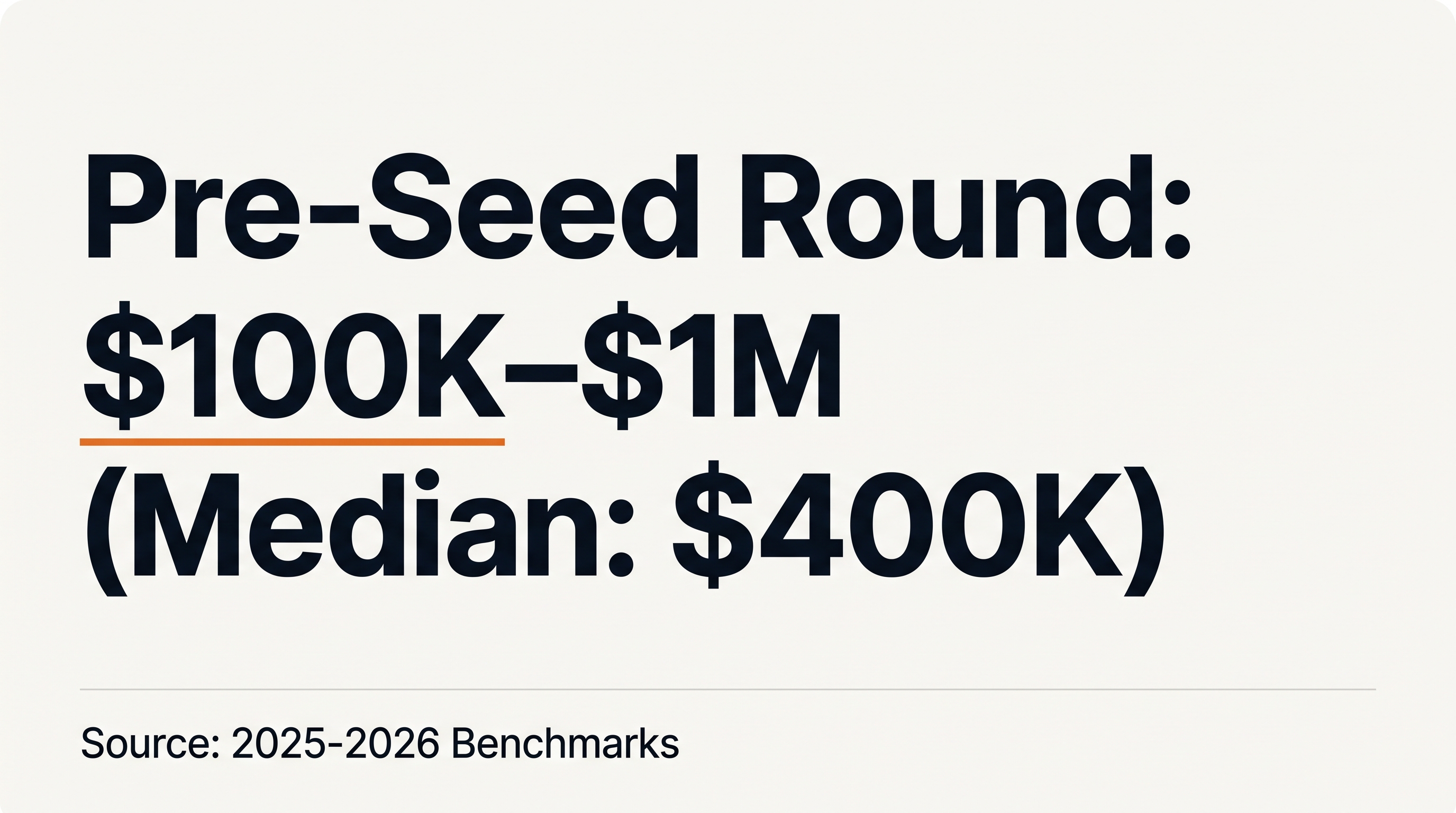
Here's the reality: the first $100K is harder than the next $1M. Why? Because you have no track record, no institutional credibility, and no network of investors who already know you. You're selling a vision with nothing but your story and your conviction. But here's the good news: you don't need to be special to raise your first $100K. You need to be prepared. Pre-seed funding – the earliest stage of institutional startup funding – typically ranges from $100K to $1M, with a median of $400K. But for most first-time founders, the first $100K is the bridge between "just an idea" and "something real." The founders who raise fastest aren't the ones with the best ideas. They're the ones who run the cleanest process.
Step 1: Calculate Your Number
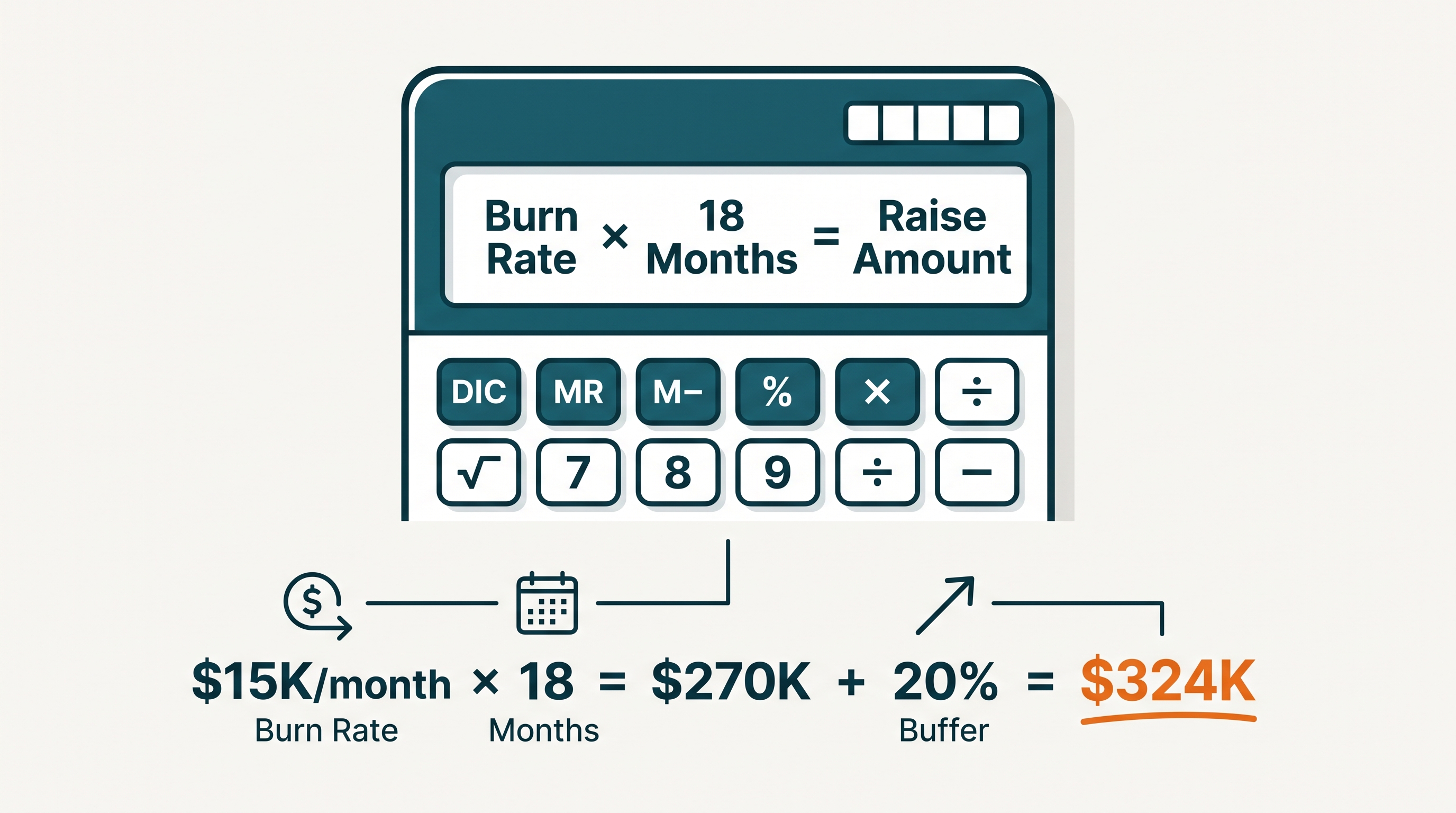
Before you talk to a single investor, you need to know exactly how much you're raising. The golden rule: raise enough for 12 to 18 months of runway. This gives you sufficient time to hit your next milestones without the pressure of immediate re-fundraising. Here's how to calculate your target. First, estimate your monthly burn rate:
- Founder salaries (often reduced): $3K–$8K per founder
- One early hire: $5K–$12K per month
- Tools and infrastructure: $500–$2K per month
- Marketing experiments: $500–$2K per month
- Legal, accounting, misc: $500–$1K per month
For most pre-seed startups, burn runs $10K–$30K per month. Multiply that by 18 months. Then add a 20% buffer for unexpected costs. If your burn is $15K per month, you need $270K for 18 months, plus a $54K buffer – around $324K total. That's your number.
Step 2: Validate Before You Build
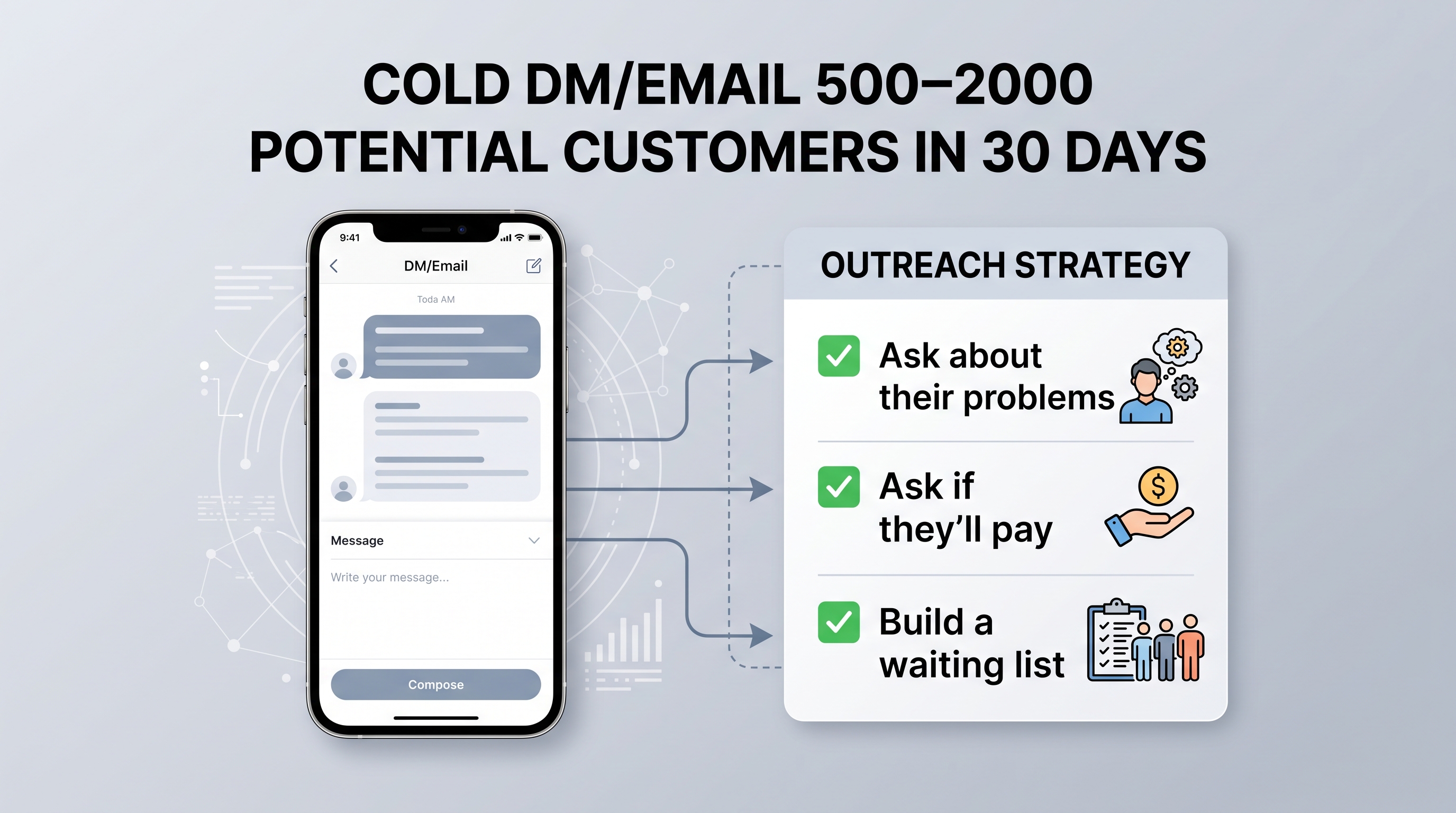
This is where most founders get it backwards. They build first, then try to find customers. The smart ones do the opposite. Month 1 is about validation. Cold DM or email 500 to 2,000 potential customers in 30 days. Ask them about the issues they face. Ask if they would pay for a solution. If yes, add them to a waiting list. This isn't just about validation – it's about building a list. Every person who says yes is a potential customer, a reference, and a signal to investors that someone other than you wants what you're building. The key is specificity. "Growing fast" is not fundable. "200 beta users with 40% weekly active rate, up from 12% in March" is fundable.
Step 3: Build in Public
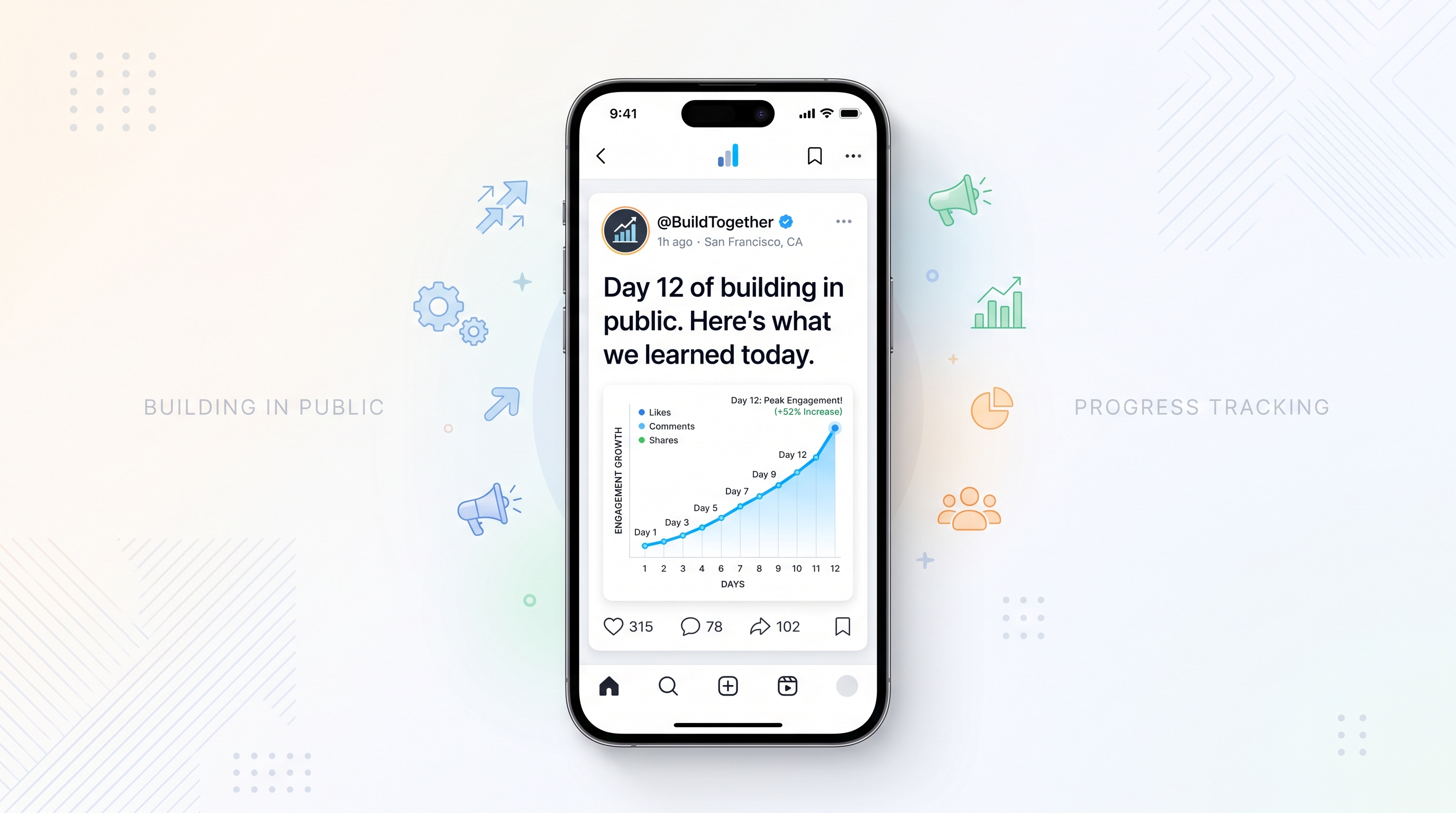
Month 2 is about building momentum. Pick one platform – X or LinkedIn – and post every single day about what you're building. Share lessons from your conversations. Share your wins and your failures. Share the numbers. Why? Because you're building social proof. Investors love seeing founders who can attract attention, build an audience, and demonstrate that people care about what they're building. This also forces you to ship. When you're posting every day, you have to make progress. You can't hide behind "we're still working on it." The founders who get funded fastest aren't the smartest. They're the ones who iterate publicly, learn from feedback, and turn "no" into actionable insight.
Step 4: Get Your First Dollar
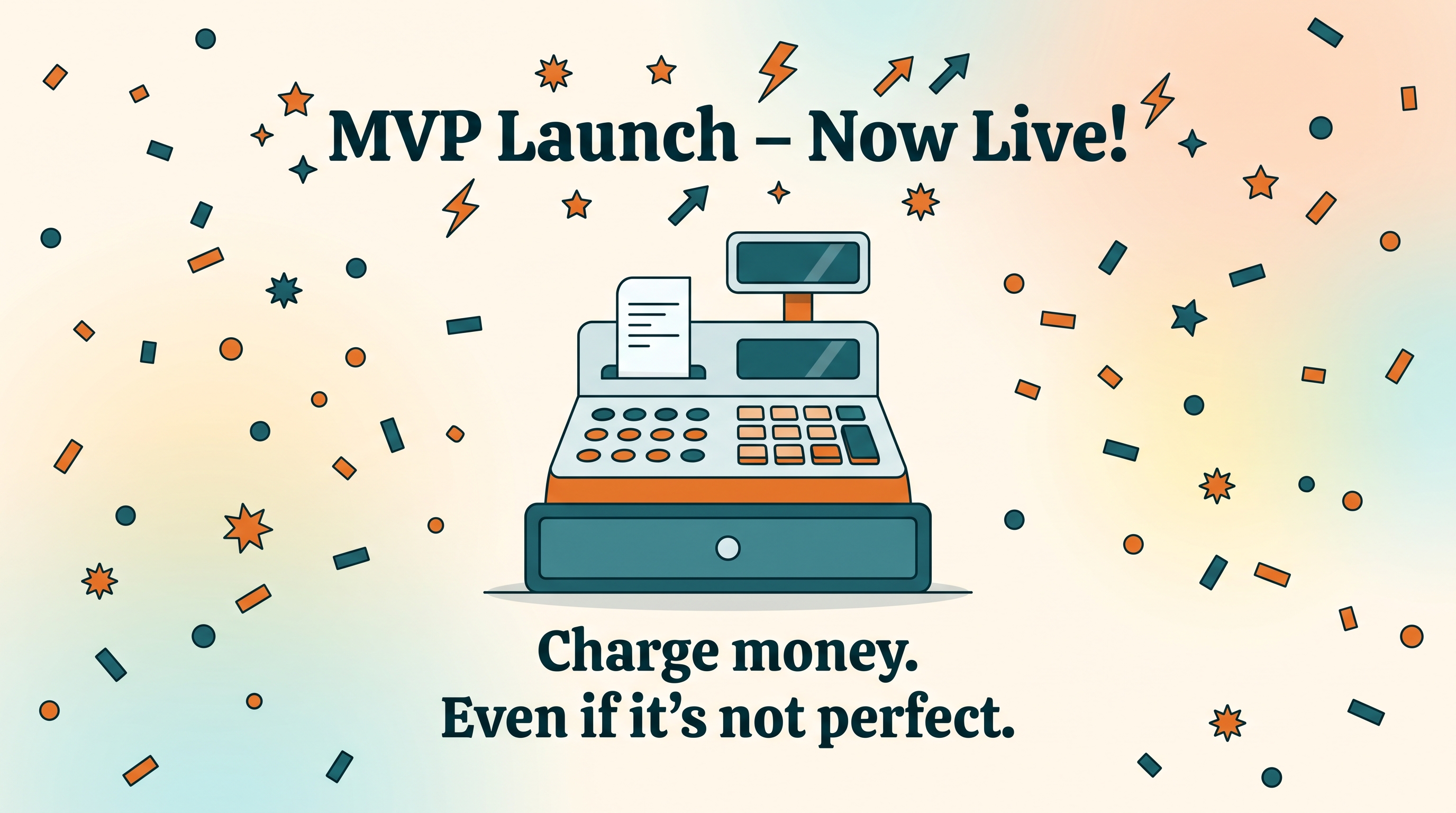
Month 3 is about revenue. Launch your MVP as quickly as possible. Email everyone on your waiting list and post online. Charge money. Even if the product isn't complete. This is terrifying. Your product won't be perfect. You'll get feedback that stings. You'll realize you built the wrong thing. But here's the truth: you learn more from one paying customer than from 100 conversations. Improve your MVP based on feedback from your first users. Then inform investors that you've launched. Revenue is the strongest signal of traction. Even $2K–$5K MRR with a steep growth slope tells a powerful story.
Step 5: Assess Your Fundability
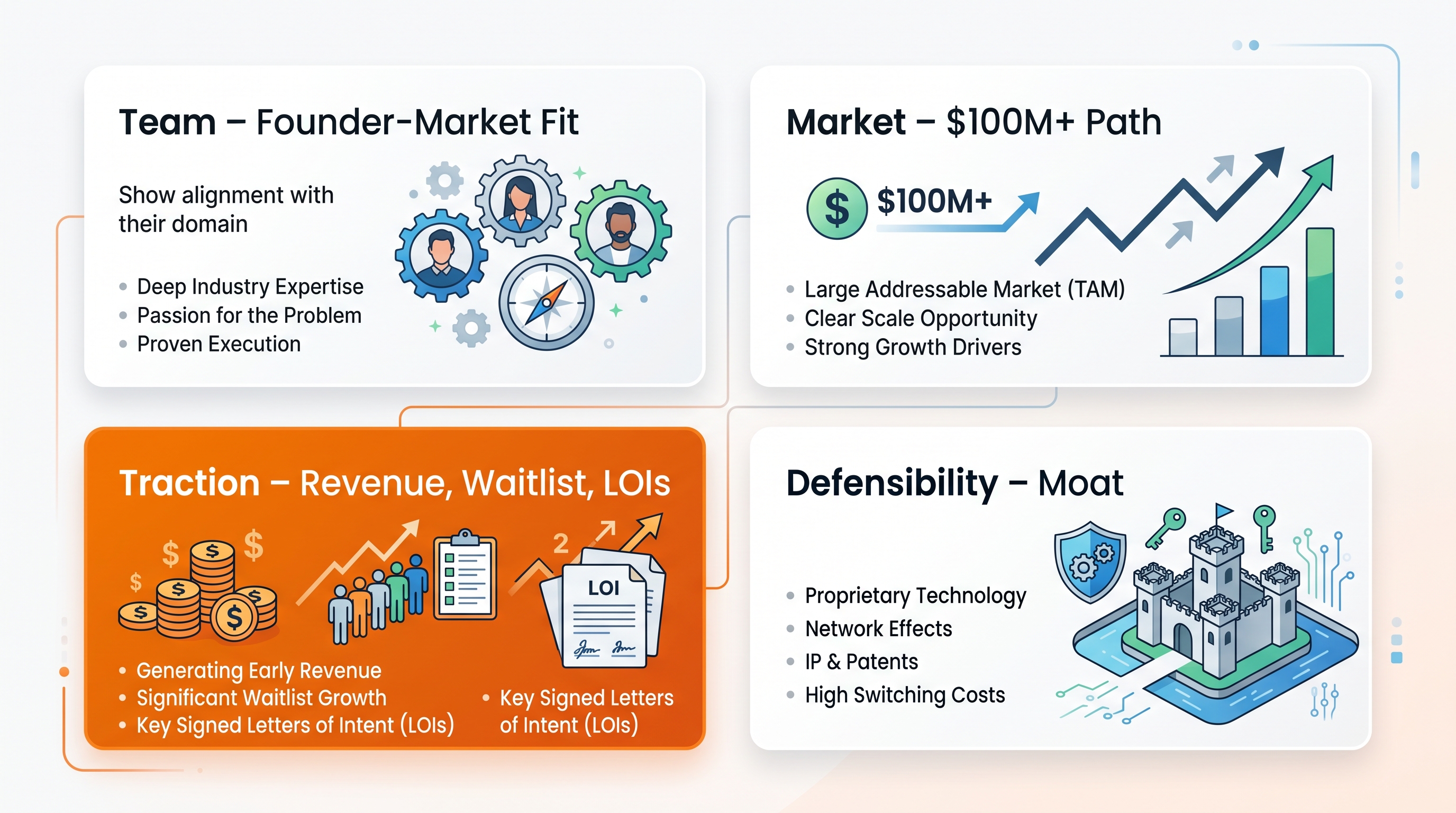
Before you approach a single investor, do an honest assessment of your fundability. Investors at the seed stage evaluate four things: Team – Why you, why now. Do you have founder-market fit? Relevant domain experience? Evidence that you can recruit? A non-technical founder building deep-tech without a technical co-founder is a red flag. Market – Is it big enough to return a fund? Investors back outcomes of 10× their cheque or more. Show a credible path to $100M+ revenue, not a niche that caps out. Traction – Proof that someone other than you wants this. Revenue is strongest, but design partners, waitlists, LOIs, and usage all count when they're specific. Defensibility – Why this won't be copied in a weekend. Network effects, proprietary data, regulatory moats, or genuine technical edges. You don't need all four to be world-class. But you need at least two that are genuinely undeniable.
Step 6: Know Your Investors
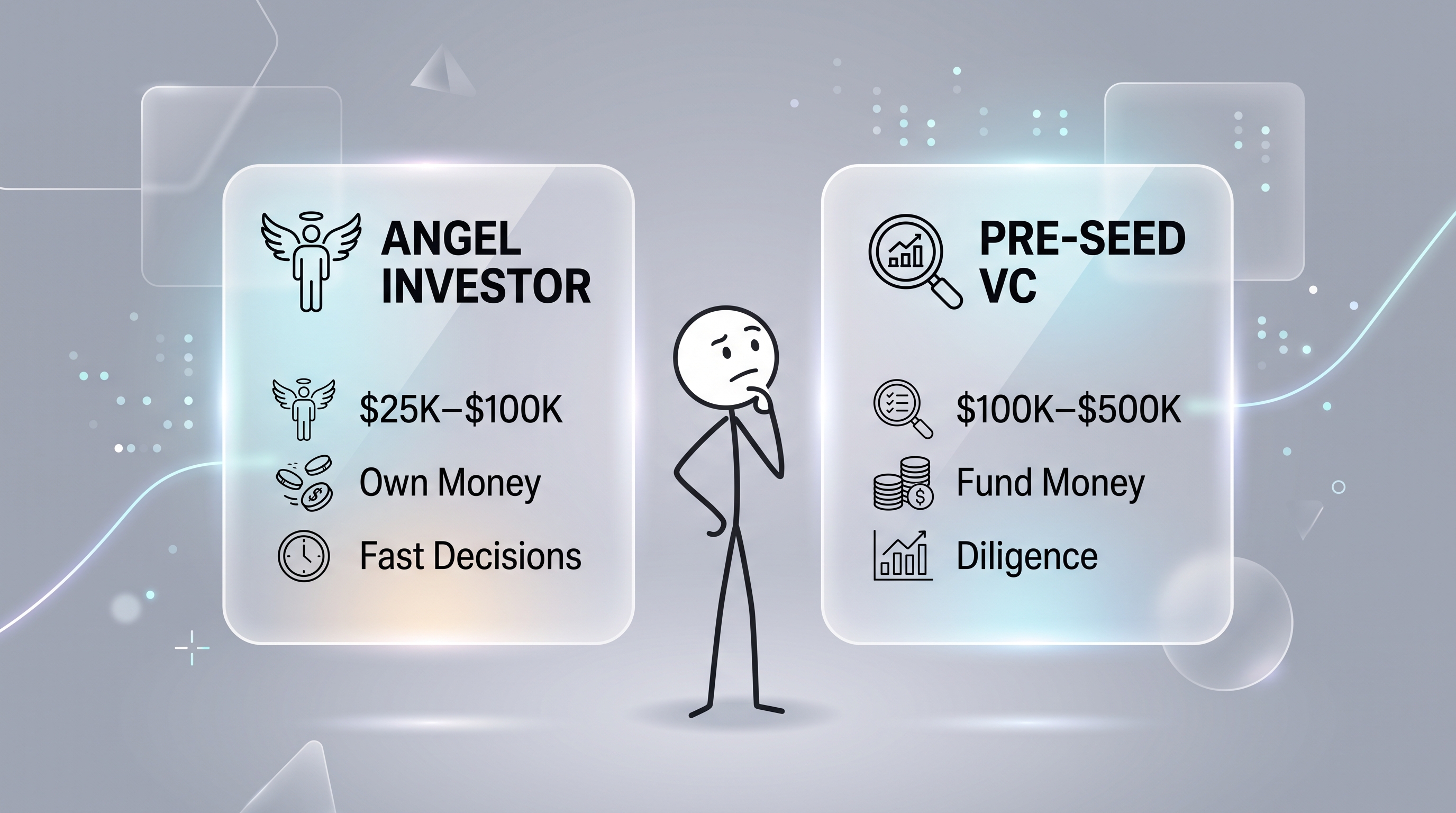
There are two main types of investors for your first $100K. Angel investors are individuals investing their own money. They write checks of $25K to $100K per deal. They're usually current or former founders, executives, or specialists who made money in their domain. Because the capital is their own, they can move in days, skip institutional diligence, and back conviction calls that VCs would pass on. Angels invest in people before companies. They're looking for founder fit, market pattern-matching, and a clean cap table. Pre-seed and micro-VC funds invest $100K to $500K and bet on team and thesis before traction exists. Some are accessible without warm intros; most still prefer them. Start with angels. They're faster, more accessible, and more likely to take a chance on you.
Step 7: Build Your Target List
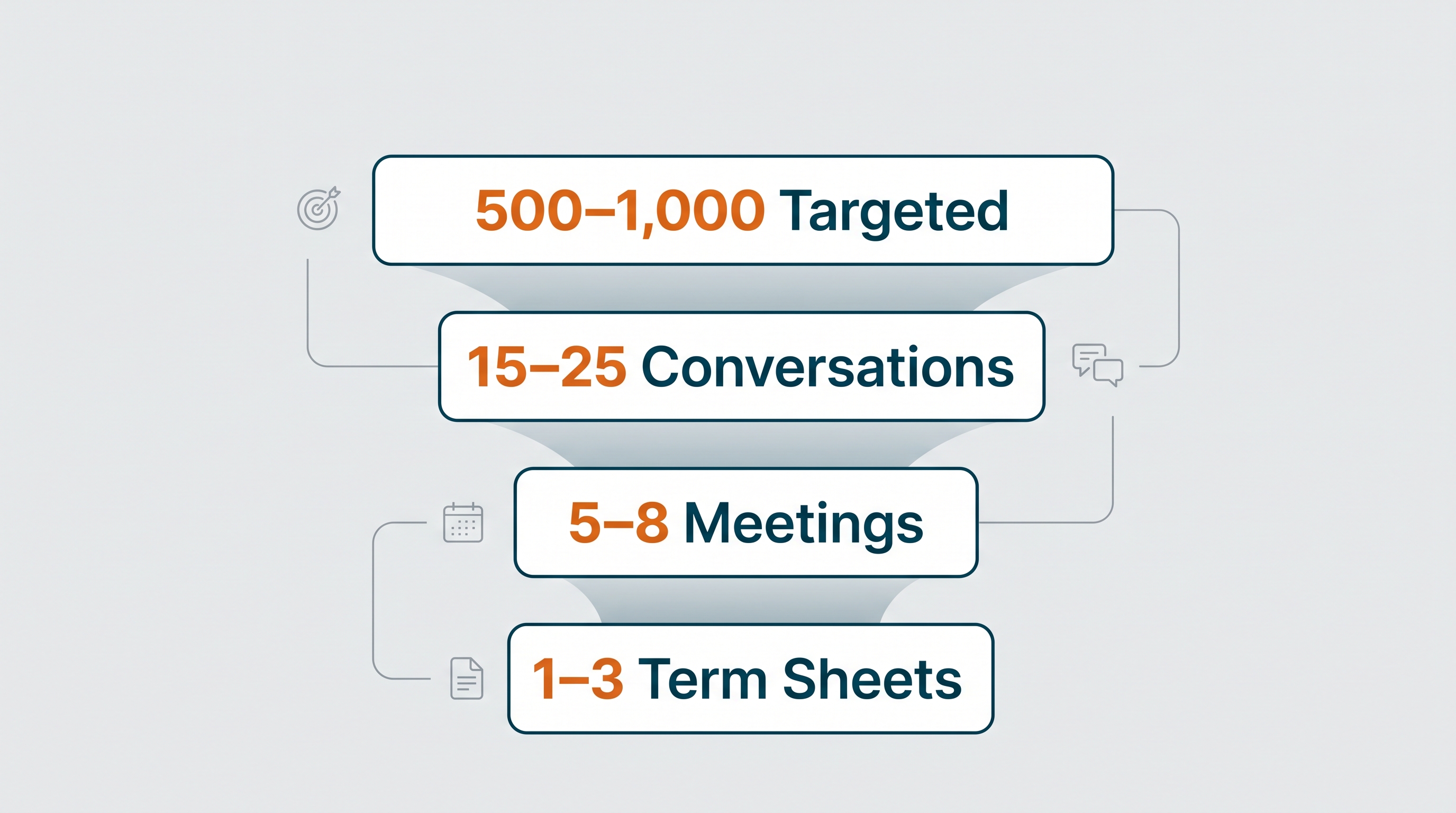
Now it's time to build your investor list. Start preparing 6 to 12 months before you need the money. Build a top-of-funnel of 100 to 200 targeted investors so the math works. Here's how the funnel typically breaks down: 500 to 1,000 investors targeted → 400 to 750 contacted → 15 to 25 conversations → 5 to 8 meetings → 1 to 3 term sheets. The founders who raise fastest don't spray-and-pray. They build a targeted list, personalize each message, and iterate based on feedback. Don't rush to send all 300 investors at once. Send 10 to 20 cold emails daily. Get feedback. Improve your approach. Then send the next batch.
Step 8: Run the Process
Fundraising is a process, not an event. Start outreach with 9 to 12 months of runway left. The median seed round takes 3 to 6 months from first outreach to money in the bank. If you're not ready to dedicate 30% to 50% of your time to fundraising for that period, you're not ready to start. Make a Y Combinator-style pitch video with your team. Send it with your deck and financial model. Keep your data room and other sensitive materials for second conversations. Schedule physical meetings with investors in your city and virtual meetings with those outside. Be ready to get a lot of "no"s. And also a lot of "bad yes"s – the 50K for 50% investor equity. Run from those.
Step 9: Close the Round
With some iteration and persistence, you'll get the "yes" you're looking for. That one yes becomes your lead investor. Use their name as leverage to close the rest. When other investors see that someone credible has already committed, the fear of missing out kicks in. Once you have your lead, the rest of the round becomes significantly easier. The hard part – the first $100K – is behind you.
The Hard Truth About Fundraising
Here's what no one tells you: the first $100K is the toughest, and after that, it becomes much easier. Why? Because momentum is everything. Once you have one investor, you have social proof. Once you have revenue, you have evidence. Once you have a lead, you have leverage. But the most time-consuming part of the process isn't the pitching – it's the legal work. Use a SAFE (Simple Agreement for Future Equity) to keep it simple. In 85% of pre-seed deals, SAFE is the instrument of choice. The key to raising is showing how passionate you are about the idea and being able to convince investors that you're the person to execute on the vision. Founder's story matters more than the actual product. Investors invest in the founder – their grit, their execution methods.
Ready to raise your first $100K?
Frequently asked questions
How much should I raise for my first round?
The golden rule: raise enough for 12–18 months of runway. Calculate your monthly burn, multiply by 18, and add a 20% buffer. For most pre-seed startups, this is $100K–$400K.
Should I raise from angels or VCs first?
Pitch angels first if you're at idea or MVP stage. Angels write $25K–$100K checks, move fast, and invest in people before companies. Pre-seed VCs typically invest $100K–$500K and require more diligence.
What counts as traction at the pre-seed stage?
Revenue is strongest, but design partners, waitlists, LOIs, and usage all count when they're specific. Even $2K–$5K MRR with a steep slope tells a story.
How long does it take to raise a pre-seed round?
The median pre-seed round takes 3–6 months from first outreach to money in the bank. The first $100K is the hardest part.
What instrument should I use for pre-seed funding?
SAFE (Simple Agreement for Future Equity) is used in 85% of pre-seed deals. It's simple, founder-friendly, and standard.
How many investors should I contact?
Build a top-of-funnel of 100–300 targeted investors. The typical funnel: 500–1,000 targeted → 15–25 conversations → 5–8 meetings → 1–3 term sheets.