
No network? No problem. This practical playbook shows you exactly how to get investor meetings without a single warm intro — from targeting to cold emails to the portfolio founder backdoor.
The conventional wisdom says you need a warm introduction to get a meeting with an investor. The data says something more nuanced.
82% of funded startups used warm intros. That means 18% didn't. One VC revealed that 40% of his deals came from cold inbound. Cold outreach is not dead.
Yes, a cold email converts to a first meeting at roughly 2-4%, while a warm intro from a portfolio founder converts at 25-40%. The math isn't subtle. But if you don't have the network, you don't have the network. Here's the playbook.
Step 1 — Targeting: The Highest-Leverage Step
Most founders waste the majority of their outreach on the wrong people. Targeting is the highest-leverage step in the entire process — and the most skipped.
Before you send anything, define your ideal investor clearly:
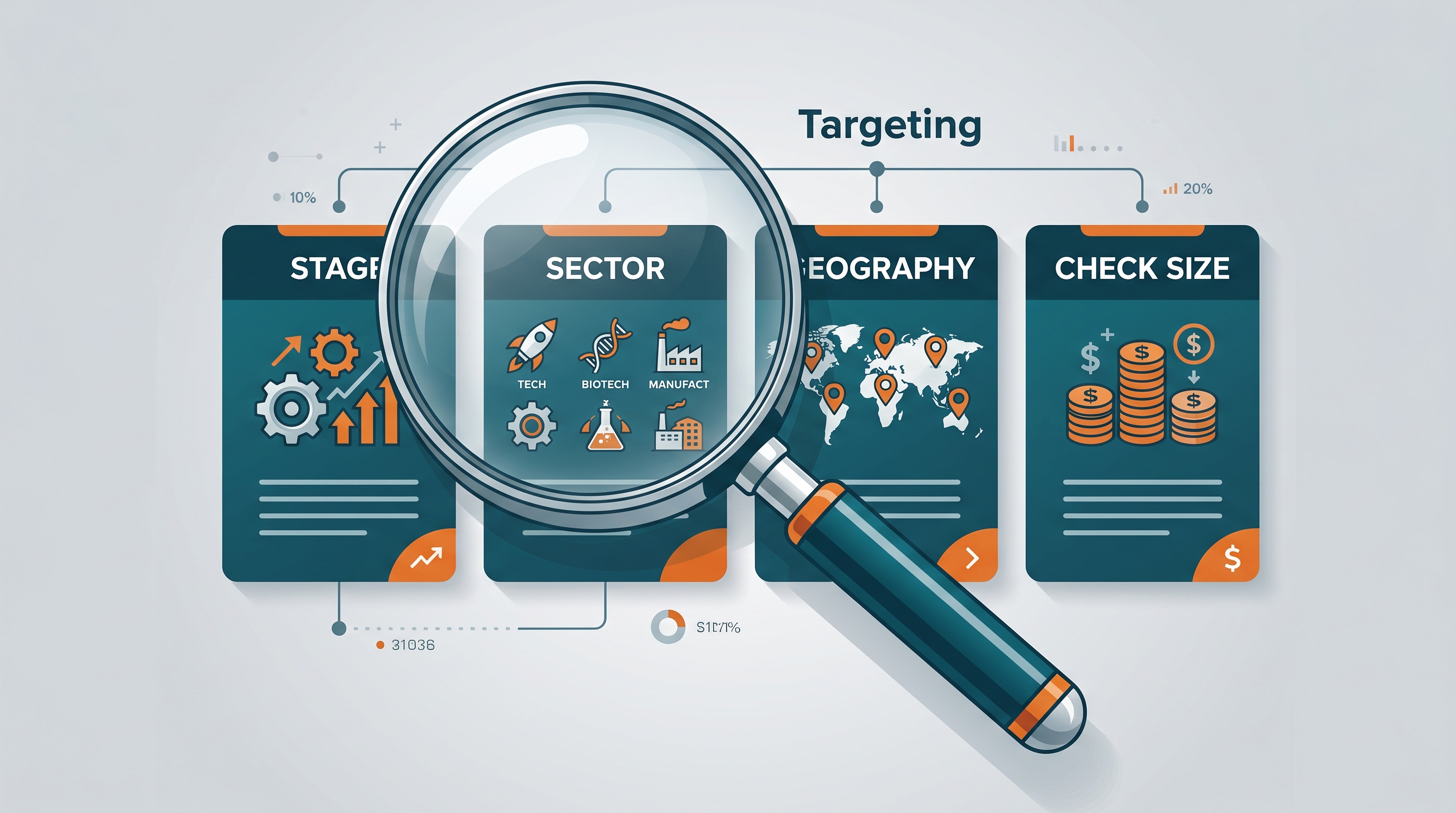
Stage: Are they writing pre-seed checks ($250K–$750K) or seed checks ($500K–$2M)? Don't pitch a Series B fund on your MVP.
Sector: Do they invest in your category? A VC who's written six checks into fintech infrastructure is a better target than a generalist who's never touched it.
Geography: Many funds have hard thesis constraints on geography — especially for early checks. Pitching a U.S.-only fund from Lagos or Ankara wastes both parties' time.
Check size: Know how many yeses you need to close. If you're raising $1.5M seed, you need one $1M lead and a handful of $100–200K followers. Target accordingly.
This filter alone will cut your list in half — and double your hit rate.
Step 2 — The Portfolio Backdoor
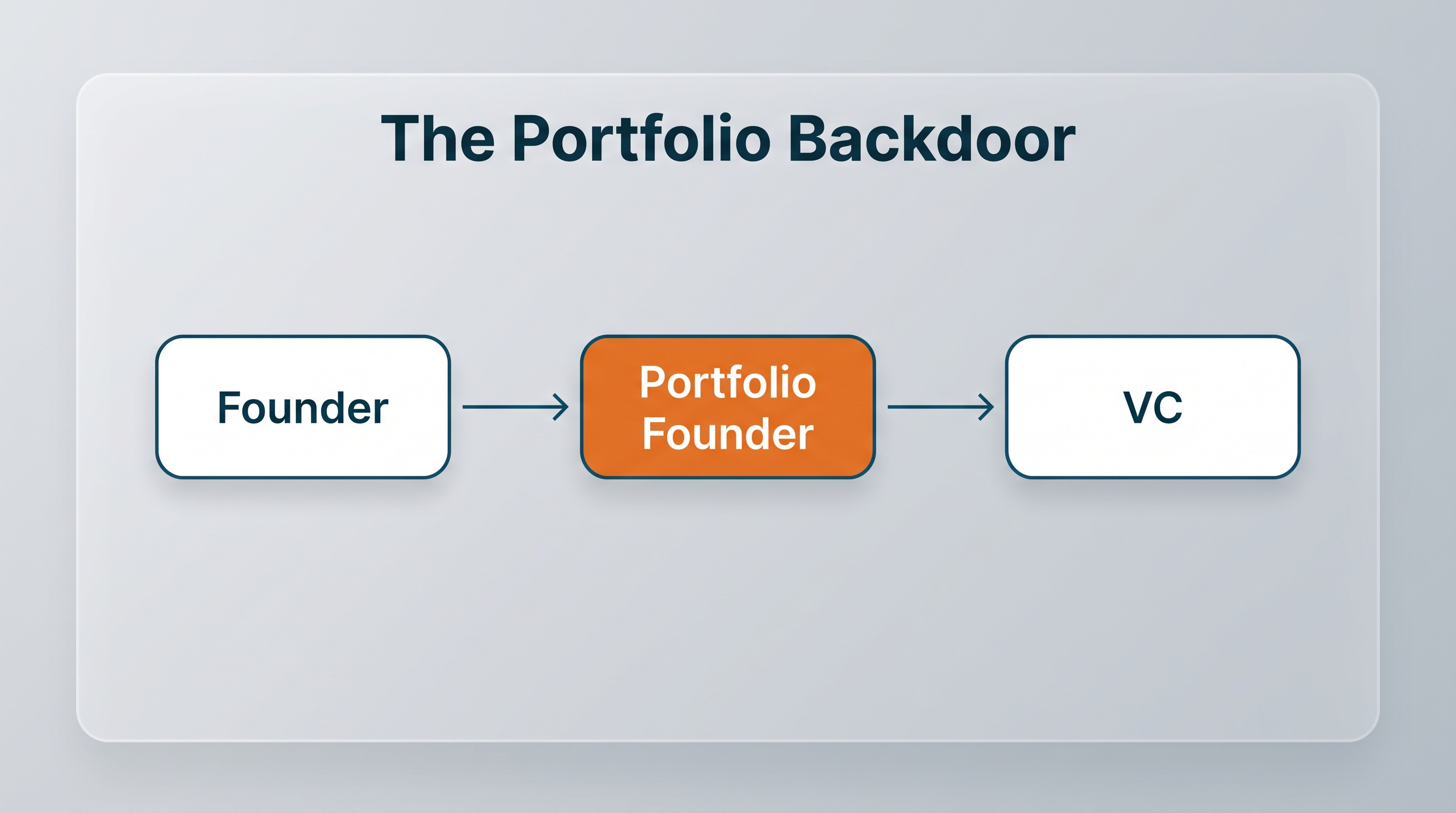
The most effective investor outreach strategy is contacting portfolio founders of your target VCs, not cold emailing investors directly.
Why does this work? Because portfolio founders have nothing to lose by talking to you. They've been in your shoes. They're often happy to help founders, especially if they've been in your shoes.
How to do it:
Go through every fund on your target list and find 2-3 founders they've backed.
Reach out directly: "I'm doing research on [Fund] — would love 15 minutes to hear about your experience with them." That's it.
You're not asking for an intro yet. You're having a human conversation. If it goes well, the intro comes naturally. Founders who've done this report a 10-15% conversion from portfolio founder conversations to warm intros.
Step 3 — The Cold Email That Gets Replies
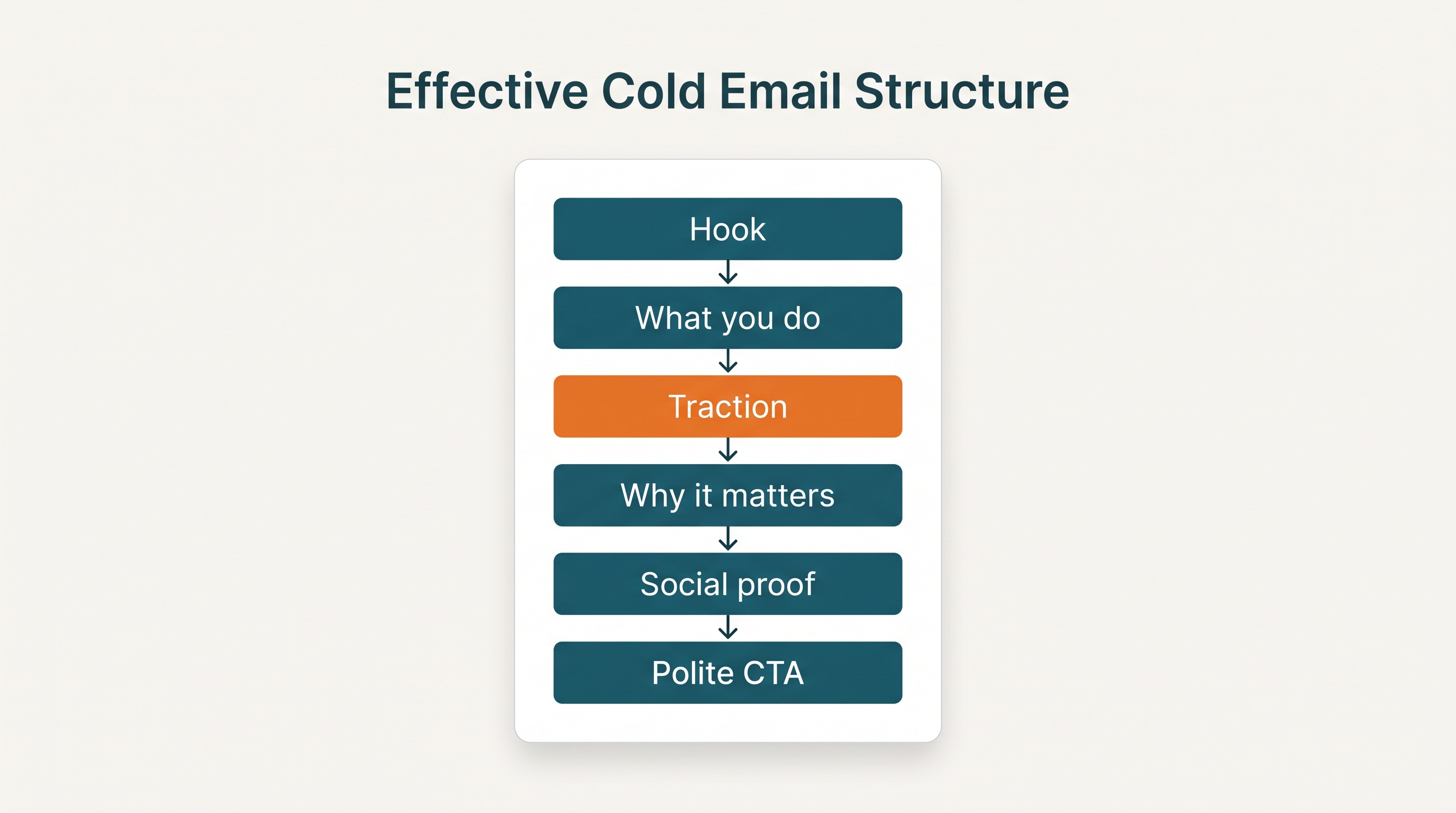
Most cold emails fail because they're too long, too vague, or too generic. Here's the structure that works:
Subject Line: Grab attention immediately. ❌ "Seeking investment opportunity" ✅ "AI SaaS | Pre-Rev | Ex-Google Team"
The Body:
- Hook — A specific reference to something they've said or done.
- What you do — One clear sentence.
- Traction — A real metric. Lead with traction, not potential.
- Why it matters — The opportunity.
- Social proof — Any credibility signal.
- Polite CTA — "Can I send over the deck?"
Example:
Subject: AI SaaS | Pre-Rev | Ex-Google Team
Hi [First Name],
I saw your talk at [Event] on [topic] — it resonated with what we're building at [Company].
We're building [one-liner]. We launched [X months ago] and now have [traction — users/revenue/retention].
We're raising [$1.2M] to [outcome: expand GTM, build X, etc.].
Saw you invested in [similar startup]. Can I send over the deck?
Thanks, [Name]
The shorter the better.
Step 4 — The Teaser Deck
Don't send the full deck in the first email. Send a teaser deck — enough to spark interest, not give everything away.
A teaser deck should be 5-8 slides: problem, solution, traction, team, and ask. It's designed to earn a meeting, not to close a deal.
Step 5 — Speed Matters
When an investor responds, respond in minutes, not days. Momentum compounds.
The founders who win are the ones who treat every interaction with urgency. If you take a week to reply, you've already lost the momentum.
Content Marketing as a Credibility Engine
Instead of relying solely on cold outreach, create valuable content that demonstrates expertise, builds credibility, and attracts investor attention organically.
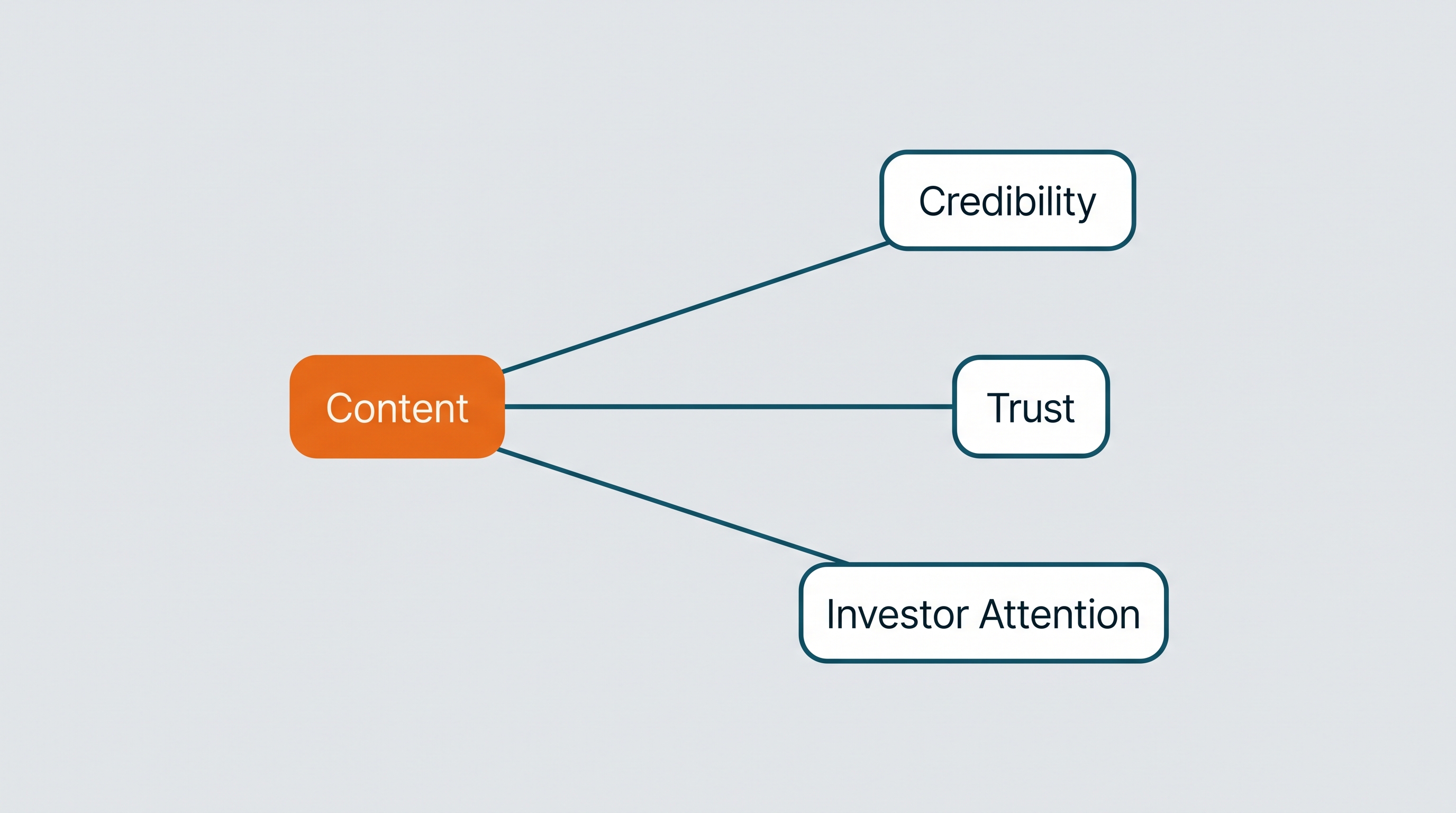
A strong content strategy makes fundraising conversations easier because investors often arrive already familiar with your company's market insight, traction, and long-term vision.
What to create:
- Blog posts on your industry
- LinkedIn thought leadership
- Twitter threads on your thesis
- Case studies and customer stories
- Product demos and progress updates
Content is how you build trust before you ever send an email.
The Follow-Up Sequence
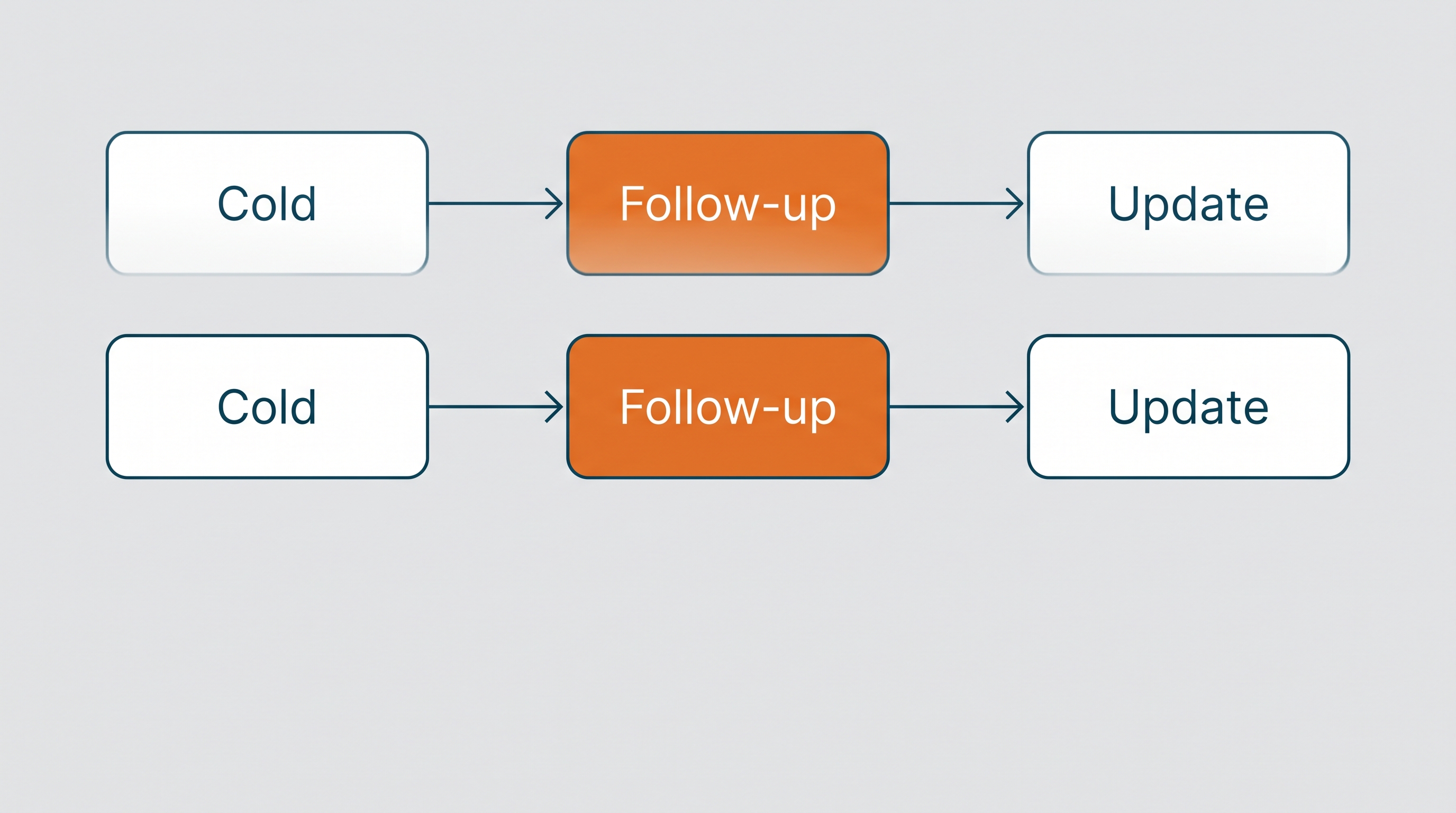
You don't need 20 templates. You need these 5:
- Cold email — the initial outreach
- Intro request — for when you find a connection
- Follow-up #1 — one follow-up, then move on
- Meeting recap — after a conversation
- Investor update — to stay top of mind
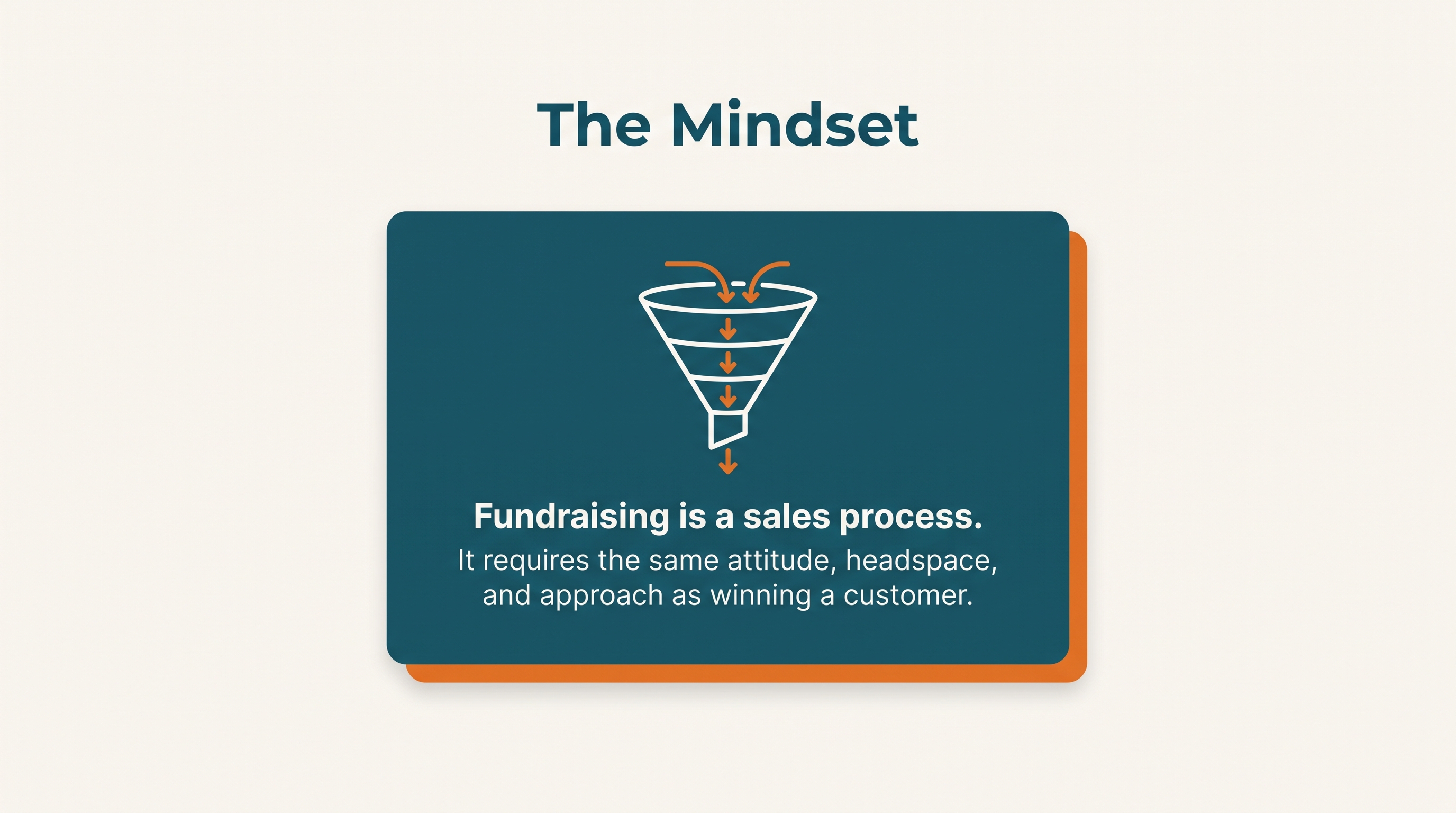
The Mindset — Fundraising Is a Sales Process
Fundraising requires the same attitude, headspace, and approach as winning a customer. If you were pitching your product, you wouldn't talk at a customer for 30 minutes and leave. You'd understand their problems, learn about their process, and discover what excites them.
Like sales, fundraising is about storytelling. It's a question of managing the process, driving excitement, and seeking clarity on where you stand, so that you can redirect your energies if things aren't looking good.
The Trust Factor
Investors are ultimately evaluating people. They want confidence that founders understand the market, can execute, can attract customers, and can build a meaningful company.
Trust can come through:
- Relationships
- Referrals
- Visibility
- Content
- Community participation
- Consistent execution
The strongest fundraising outcomes often happen because founders spent months or years building trust before they ever opened a round. One mistake I often see is founders waiting until they need funding before they start building relationships. By that point, it is usually too late.
The Takeaway — Build Your Own Engine
Cold outreach is not dead. It's just another tool that should be in your toolbox. Don't wait to get picked. Build your own engine. Take control of your raise. Hit send.
Frequently Asked Questions
Topics
how to get investors interested in your startup without warm introductions
startup fundraising platform
investor CRM for founders
cold email strategies for startup fundraising
AI investor matching platform
cold outreach to investors
how to get VC meetings without warm intro
content marketing for fundraising